
Basant 2027 Dates Confirmed: 12 to 14 March in Lahore
Basant 2027 falls on 12 to 14 March in Lahore. The official dates, the new Punjab kite flying rules, the penalties, and how to plan the weekend.
 Ahmad Nadeem · 24 August 2026 · 17 min read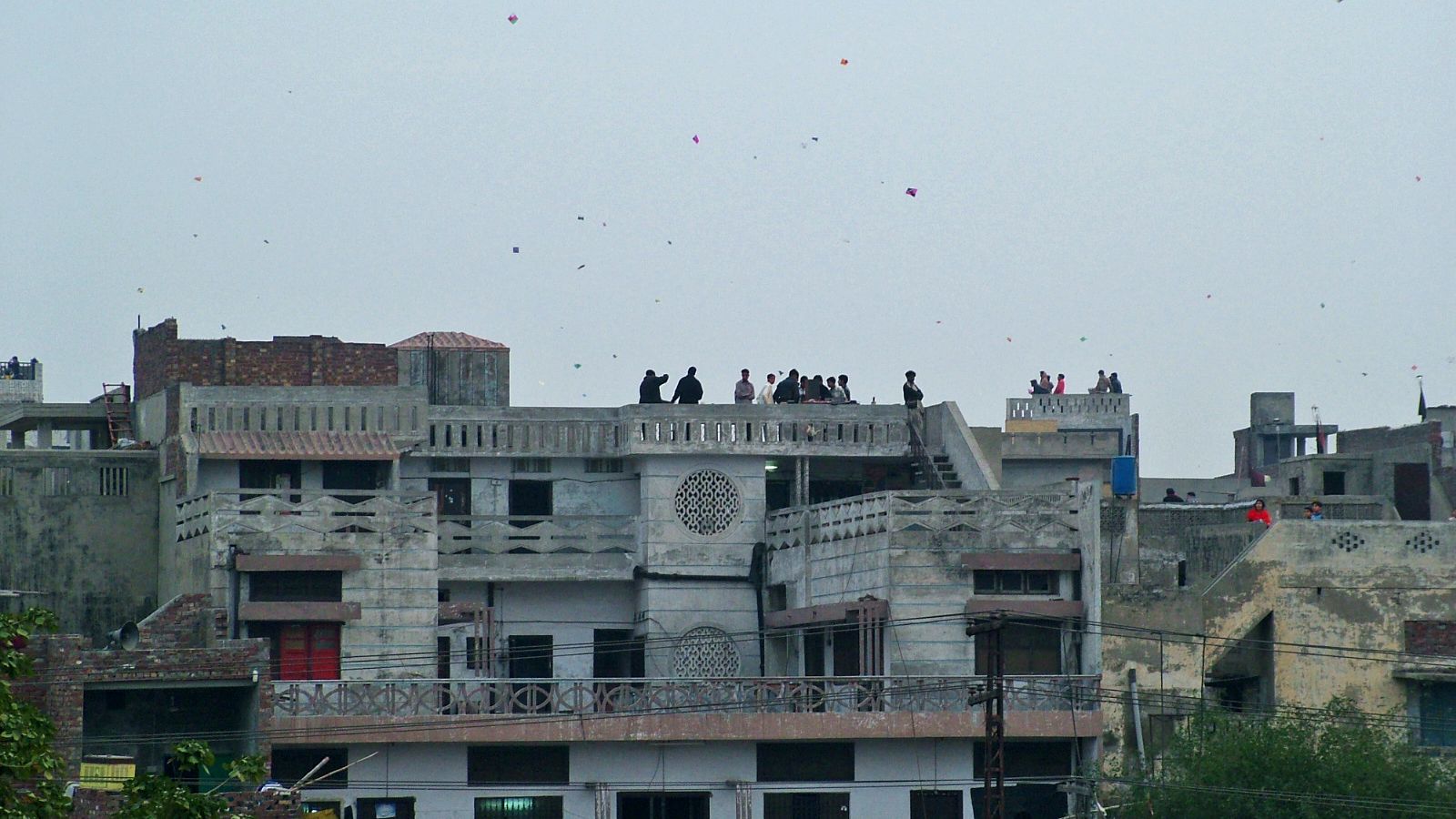
Basant 2027 has a date. Punjab Chief Minister Maryam Nawaz Sharif has confirmed that Lahore will celebrate Basant on 12, 13 and 14 March 2027, a three day run that lands on a Friday, Saturday and Sunday. She announced it on 18 August 2026, roughly seven months out, and used the announcement to invite overseas Pakistanis and international visitors to plan the trip.
That long lead time is deliberate. Basant came back in February 2026 after a ban that had run since 2007, and the 2026 edition exposed exactly which parts of the festival the province wasn't ready for. The 2027 rulebook was notified months before the dates were.
Basant 2027 dates: 12 to 14 March 2027 in Lahore
Friday 12 March, Saturday 13 March and Sunday 14 March 2027. Three days, one city, and a rulebook that got a lot tighter after 2026.
Here's the short version before the detail:
- Dates: 12 to 14 March 2027, three days, Friday through Sunday.
- City: Lahore. The Basant festival 2027 programme includes music, cultural activities and public events alongside the kite flying.
- Announced by: Punjab CM Maryam Nawaz Sharif, on 18 August 2026.
- The catch: kite flying is legal, but only under the Punjab Regulation of Kite Flying Act, 2025 and the safety rules the Home Department notified in April 2026.
- The deadline that matters: the province set 30 December 2026 for full implementation of those rules, so rooftops need to comply before the festival, not during it.
- The timing quirk: these dates fall the weekend right after Eid ul Fitr, which is expected around 9 to 11 March 2027.
What CM Maryam Nawaz actually said
The announcement was a tourism pitch as much as a calendar entry. Dawn reported that the Chief Minister said Lahore would "once again come alive with colour, culture, festivity, music, energy and legendary hospitality," and framed the festival as one for "the youth of Punjab and Pakistan."
Her message to Pakistanis abroad was direct: mark your calendars and come home for it. ARY News carried the same three dates and the same invitation to overseas Pakistanis and international guests.
What's been confirmed so far is the shape of the event rather than a venue list: three days, music, cultural performances and public activities across the city. Specific venues, ticketing and any designated public flying zones hadn't been published as of 24 August 2026.
Why March, when Basant is usually a February festival
Basant tracks the end of winter, and the 2026 edition ran 6 to 8 February. So March 2027 is late by tradition. The reason is Ramazan.
Earlier in August 2026, Daily Pakistan reported that the province was weighing late January 2027 instead, specifically to get the festival in before Ramazan, which is expected to begin around 8 February 2027. The final call went the other way. Instead of squeezing Basant in ahead of the fasting month, the government pushed it past Ramazan and Eid into the second week of March.
That detail matters more than it looks. Eid ul Fitr is expected around 9 to 11 March 2027, subject to the moon sighting, which puts Basant on the very next weekend, possibly inside the Eid holiday block itself. Flights, hotel rooms and salon chairs are already at their yearly peak in Eid week, so a Basant trip is competing with Eid travel for the same seats. Book early or pay for it.
Punjab kite flying rules for Basant 2027
Kite flying is legal for Basant 2027, but only inside a specific rulebook, and that rulebook decides whether your rooftop plan is lawful.
The Punjab Home Department notified a fresh set of guidelines on 24 April 2026, under the Punjab Regulation of Kite Flying Act, 2025 read with the Punjab Kite Flying Regulations, 2025. The News published the key points, and ProPakistani and The Nation covered the rollout.
Rooftops
- Kite flying is allowed only on structurally safe rooftops. Unsafe roofs are off limits, and the owner can't permit their use.
- Parapets or boundary walls must be at least three and a half feet high.
- Roofs have to be repaired, cleaned and free of wet or dusty surfaces before anyone flies from them.
- Overcrowding is prohibited. Occupancy can't exceed what the roof safely carries.
- Electricity wires near the roof must be secured, or that rooftop should be avoided entirely.
- Inflammable material must be kept off the roof.
Behaviour
- Running, jumping, leaning over edges and aggressive kite catching are banned outright.
- Children need constant adult supervision and aren't allowed near roof edges unsupervised. Parents and guardians carry the primary responsibility.
- Using a mobile phone near the edge isn't allowed if it's distracting you.
- Loud music, DJ systems and high decibel sound systems are prohibited during kite flying, and nuisance or harassment of neighbours is a punishable offence.
Weather and safety kit
Kite flying is banned during strong winds, rain, thunderstorms or poor visibility, which is a real constraint in March, so build a backup plan into any rooftop booking. First aid kits are mandatory at every kite flying location, with Rescue 1122 numbers displayed on site.
Who is on the hook
Building owners and event organisers are held jointly responsible for any accident or violation. District administrations, police and allied departments can inspect premises and stop unsafe activity, and deputy commissioners and district police officers have been told to ensure full implementation.
The 30 December 2026 deadline
Associated Press of Pakistan reported that the province set 30 December 2026 as the date by which the rules must be fully in place. The News reported the notification's own wording as requiring compliance by 31 December of the year before any kite flying event, so treat the last week of December 2026 as the hard edge either way. If you own or manage a building people will fly from, the parapet work and the safety arrangements are a 2026 job, not a March 2027 one.
What the penalties actually are
Here's what the law actually threatens you with.
The Punjab Assembly passed the kite flying bill in December 2025. It was assented and gazetted on 2 January 2026 as the Punjab Regulation of Kite Flying Act 2025, Act I of 2026. Straight from the statute:
- Flying a kite at all, outside what section 6 permits (section 3(2)): three to five years' imprisonment, a fine of Rs 2 million, or both, plus another year if the fine goes unpaid. The Act bans kite flying and abetting it outright, then carves out permitted windows. That carve out is the whole legal basis for Basant.
- Making, transporting or selling kites, or storing and selling banned string, outside what section 6 permits (section 3(3)): five to seven years' imprisonment, a fine of Rs 5 million, or both, plus two more years if the fine goes unpaid. This reaches kites themselves, not just metallic wire, nylon tandi and maanjha coated thread.
- Trading without registration (section 5(3)): one to five years' imprisonment, a fine of Rs 100,000 to Rs 500,000, or both. Manufacturers, traders and sellers all have to register with the deputy commissioner, and kite flying associations register separately under section 7.
- Children (sections 3(4) and 3(5)): tried under the Juvenile Justice System Act 2018, with a Rs 50,000 fine for a first offence and Rs 100,000 on repetition, recoverable from parents or guardians if the child can't pay.
- Status of the offences (sections 4 and 9): cognizable and non bailable, and a police officer of sub inspector rank or above can enter, search, seize and arrest without a warrant.
So "I didn't know" won't help you, and not paying the fine just adds another year on top.
The mechanism that makes Basant legal at all sits in the same law. Section 6(1) lets the deputy commissioner allow permissible kite flying by notification, with prior government approval, subject to whatever conditions and restrictions they impose, for specified periods, areas and places. Section 6(2) then puts teeth on it: fly outside the terms of that notification, meaning the wrong day, the wrong area, or in breach of its conditions, and you're back to three to five years, a fine of Rs 2 million, or both. Section 6(3) adds that in a district where permission has been granted, no motorcycle may be driven without the prescribed safety measures, on pain of a Rs 2,000 fine. That's why the district notification, not the Chief Minister's announcement, is the document that actually governs what you're allowed to do on 12 March.
String rules: why the dor matters more than the kite
The main reason Basant was banned in the first place was string. Twine coated with glass, metal filings or chemicals cuts through skin, and it killed motorcyclists and children for years, alongside deaths from celebratory aerial firing, before the province pulled the plug in 2007.
The 2025 law bans metallic wire, nylon cord and any string coated with glass or other sharp substances, the manjha that caused the original carnage. When Basant returned in 2026 under that framework, the rules restricted kite string to thread based material, set up designated flying zones with surveillance, required protective wires on motorcycles and banned aerial firing. Gulf News summarised the framework in its coverage of the aftermath, and 24 News reported that only approved cotton string was permitted.
Expect the same approach in 2027. Buy from a registered seller, and treat any vendor offering a coated or metallic dor as a legal problem rather than a bargain.
What Basant 2026 taught the province
The 2026 festival did more than Rs 1.5 billion of business and killed at least 17 people. The 2027 rulebook is a direct response to the second number.
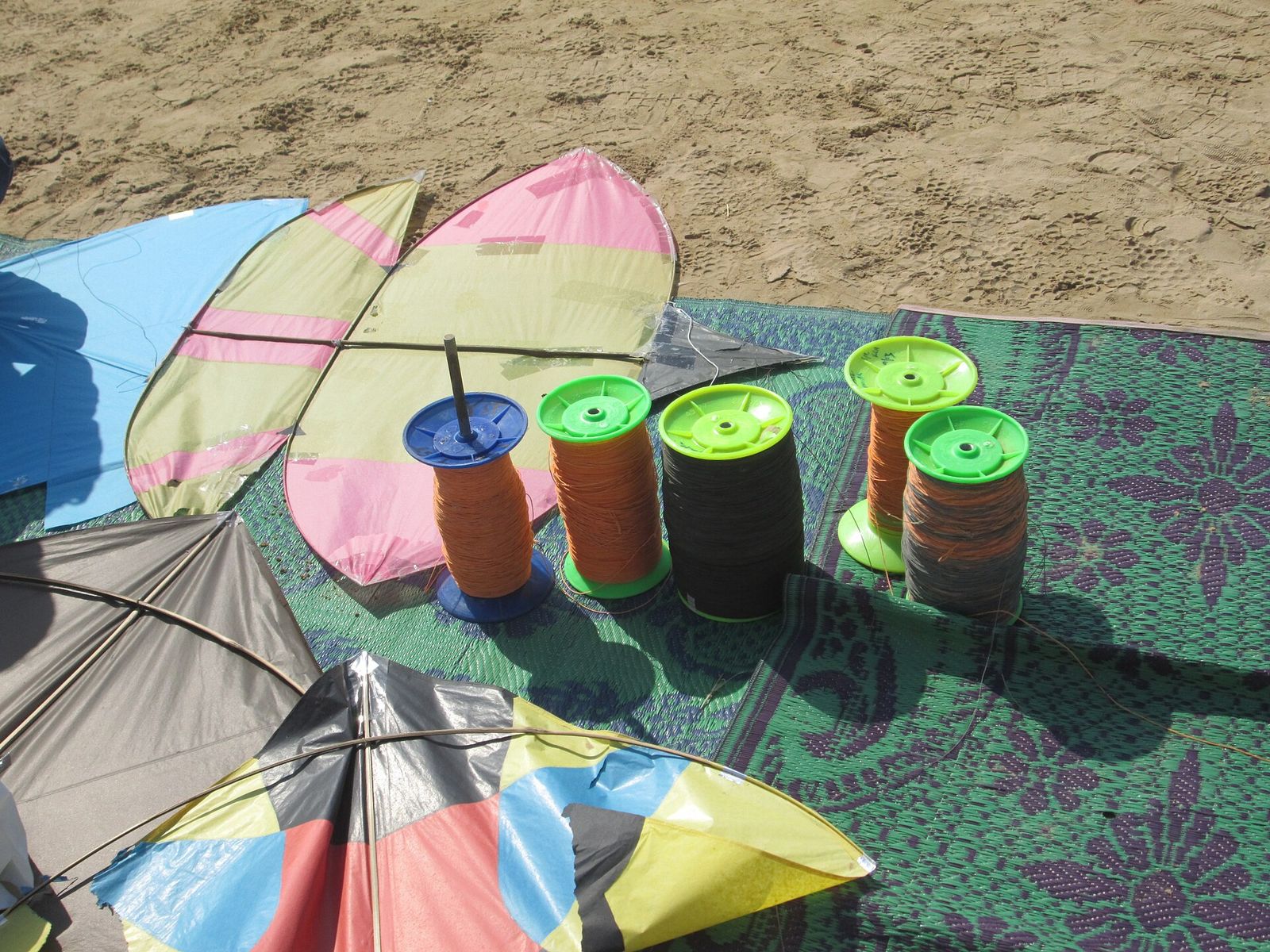
The three day festival opened on 6 February 2026 and ran to 8 February, the first legal Basant in Lahore since 2007. Commercially it was enormous. The Kite Flying Association, via 24 News, put the numbers at roughly one million kites sold in a single day, more than 20,000 spools of string, and more than Rs 1.5 billion of business in five days. Kite makers who had spent nearly two decades out of work were suddenly back in it.
The safety record was worse than the headlines suggested. Gulf News reported at least 17 deaths across the three days and more than 100 related accidents: 12 people died falling off rooftops, three were electrocuted and two fell out of trees. A petition on the deaths and injuries came before Justice Owais Khalid of the Lahore High Court, where the petitioner's counsel complained that data on kite string injuries still hadn't been provided.
Read the 2027 rulebook next to that list and most of it maps onto a way somebody died in 2026. Parapet heights, occupancy limits, no running or leaning over edges, secured electricity wires, adult supervision.
In February 2026, Punjab Information Minister Azma Bokhari had said the next Basant would land in February 2027 and would be "bigger and better". The date moved to March. The intent held.
Will kite makers get their head start?
Not yet. Supply is the other thing 2026 got wrong: manufacturers were given roughly one month to prepare, which meant thin stock and prices that ran away from buyers.
In April 2026, officials floated allowing kite and string manufacturing at least six months in advance for the 2027 festival, along with early transport of festival goods into Lahore from other districts and provinces. As of 24 August 2026 that hadn't happened. Two days after the dates were announced, the District Kite Flying Association was still publicly asking for licences to be issued early, requesting permission to manufacture for four to five months from September so stocks are ready in time (Express Tribune).
So the six month runway is a proposal with a clock on it. If licences don't go out around September 2026, expect the same shortage and the same price spike in March.
How to plan your Basant weekend in Lahore
Seven months of notice is unusual for a Pakistani festival, so use it.
- Lock the rooftop early. Zameen reported that Walled City rooftops went for Rs 500,000 to over Rs 1 million for Basant 2026, with prime spots around Delhi Gate, Bhaati Gate, Mochi Gate and Rang Mahal reaching Rs 2.5 to 3 million for three days, booked weeks ahead. Ask the owner two questions before you pay: how high is the parapet, and how many people are they letting up.
- Book travel and stay now. A Friday to Sunday festival landing within days of Eid, with an open invitation to overseas Pakistanis, will fill flights and hotels long before March.
- Buy kites and string from registered sellers only. Whatever the manufacturing timeline turns out to be, unapproved dor is a criminal matter, not a bargain.
- Sort the safety basics. First aid kit on site, Rescue 1122 saved in your phone, one adult clearly responsible for every child on the roof.
- Plan for weather. Flying isn't permitted in strong wind, rain or poor visibility, so keep a ground level plan for the day it turns.
- Book your Basant look ahead of the rush. Salon slots in Lahore vanish before any big event weekend, and this one sits right after Eid, when they're already gone. bugo.pk lists discounted party makeup and styling deals across the city, and our Lahore makeup price guide covers what a party look actually costs. Basant is a yellow festival, and three days is enough to justify more than one outfit.
Basant 2027 FAQs
When is Basant 2027 (Basant 2027 kab hai)?
Basant 2027 runs for three days in Lahore, from Friday 12 March to Sunday 14 March 2027, as announced by Punjab CM Maryam Nawaz Sharif on 18 August 2026.
Is kite flying legal in Pakistan again?
In Punjab, yes, within the framework of the Punjab Regulation of Kite Flying Act, 2025 and the safety rules notified in April 2026. It isn't a free for all. Rooftop standards, string restrictions and behaviour rules all apply, and the offences are cognizable and non bailable.
Where is Basant 2027 being held, and what about other cities?
Lahore. The Chief Minister announced three days of music, cultural activities and public events across the city. Nothing has been announced for other Punjab districts, and specific Lahore venues and designated flying zones hadn't been published as of 24 August 2026. Assume Lahore only until a district notification says otherwise.
Why is Basant 2027 in March instead of February?
Ramazan is expected to begin around 8 February 2027. Punjab had considered a late January slot to get ahead of it, then settled on 12 to 14 March, which puts the festival after the fasting month and just after Eid ul Fitr.
What are the rooftop rules for Basant 2027?
Structurally safe roof, boundary wall or parapet of at least three and a half feet, no overcrowding, no running, jumping or leaning over edges, constant adult supervision of children, secured electricity wires, no loud music or DJ systems, and a first aid kit on site. Building owners and organisers are jointly responsible for accidents.
What happens if you break the kite flying rules?
Flying with banned material carries three to five years' imprisonment, a fine of Rs 2 million, or both. Manufacturing, storing or selling banned material carries five to seven years, a fine of Rs 5 million, or both. Trading without registration carries one to five years, a fine of Rs 100,000 to Rs 500,000, or both. All of these offences are cognizable and non bailable.
Sources
- Dawn: CM Maryam announces 3-day Basant festival in March 2027
- Daily Pakistan: CM Maryam announces dates for Basant 2027
- ARY News: Maryam Nawaz announces Basant 2027 dates
- The News: Key kite-flying regulations notified for 2027
- ProPakistani: Punjab sets strict safety rules for Basant 2027 kite flying
- The Nation: Punjab issues strict kite flying rules for Basant 2027
- APP: Punjab sets Dec 30 deadline for new kite-flying rules
- Punjab Laws: The Punjab Regulation of Kite Flying Act 2025 (Act I of 2026)
- Express Tribune: PA passes Kite Flying Bill 2025 with tough penalties
- Daily Pakistan: Punjab plans late-January celebrations ahead of Ramazan
- 24 News: Six months' early kite-making approvals planned for Basant 2027
- Express Tribune: Kite flyers seek early production permits
- Gulf News: Basant revival under court scrutiny as 17 die in Lahore celebrations
- Dawn: 3-day Basant festival to kick off from Feb 6, 2026
- Dawn: No Basant celebrations before February 2027, says Punjab information minister
- Zameen: Basant 2026 demand pushes Lahore rooftop rentals
Cover photo: kite flying from rooftops in Lahore, by Guilhem Vellut, CC BY 2.0, via Wikimedia Commons.

Ahmad Nadeem
HR Manager at Heuristic Sol in Lahore, working across HR operations and people management. Holds an MBA in Human Resources Management from The Superior University.
More from the blog

5 Best Hair Treatment and Haircut Deals in Lahore (September 2026)
Save up to 44% on hair protein treatments, cuts, and blow-dry packages across top Lahore salons. Compare 5 live deals from Rs 2,499 to Rs 3,500.
 Zain ul Abedin Gilani · 10 September 2026 · 8 min read
Bugo.pk App Now Live on iOS & Android | Local Deals in Lahore
Download the Bugo.pk app on iOS & Android to discover local deals, discount vouchers, restaurants, salons, beauty, wellness and more in Lahore.
 Ahmad Nadeem · 9 September 2026 · 7 min read
Padel Court Booking in Lahore (2026): Hourly Rates, Courts and Deals
Compare padel court booking rates in Lahore, typical hourly fees, peak vs off-peak pricing, and 3 live court deals on bugo.pk starting at Rs 3,150.
Ahmad Nadeem · 8 September 2026 · 8 min read